Painting bathroom tiles sounds tempting: tile paint could easily cover stained grout and minor cracks in tiles. What makes this option especially appealing is its low cost. A paint tin under €100 is a small investment compared to a bathroom renovation costing thousands, right?
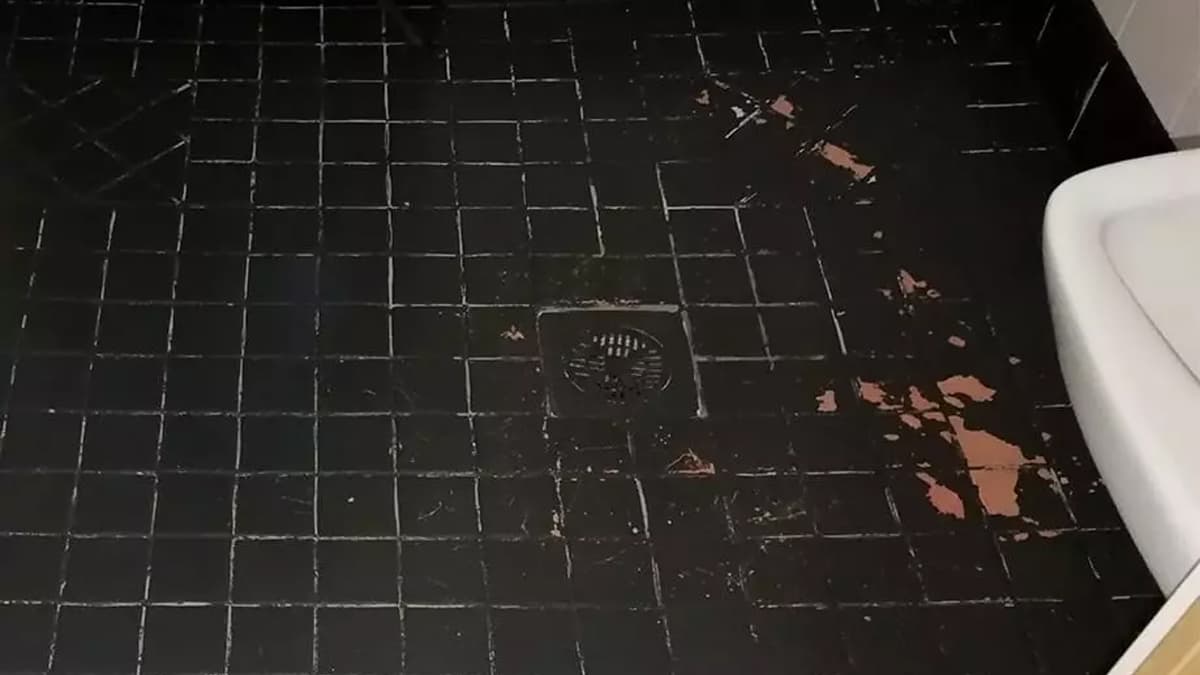
Think again. There are very few products on the market that can change the colour of bathroom tiles neatly enough for the finish to still look good after a couple of months of use. Tile paint simply isn't suitable for bathrooms, as it wears off quickly in wet rooms and especially from their floors.
Quick answer: can you paint bathroom tiles?
Painting bathroom tiles is rarely worth it, especially on floors or in shower areas. Moisture, cleaning, and wear often make the paint peel or rub off quickly, while dirt, cracks, and microbial growth remain under the surface.
Painting over microbial growth doesn't help
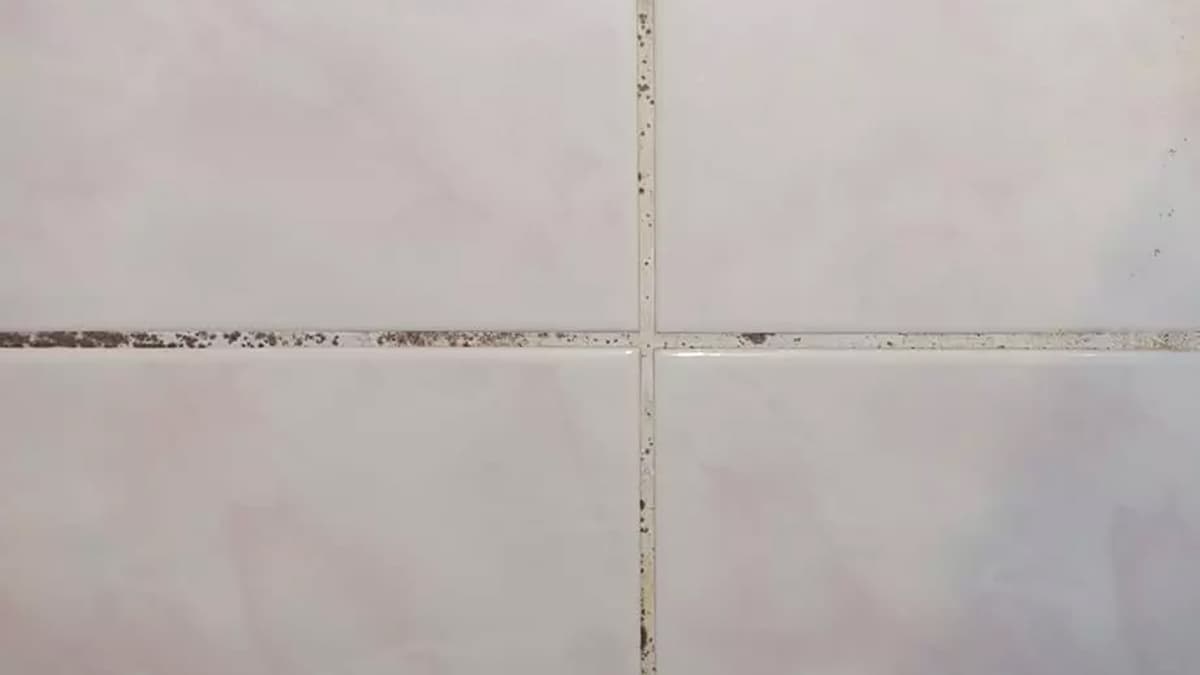
Many people try to cover microbial growth, those black spots appearing in the grout, by painting the grout and tiles with tile paint. This makes about as much sense as painting a rusty car: the paint peels off just as quickly over both microbial growth and rust.
If your grout has microbial growth, the right solution is grout replacement and a thorough bathroom cleaning, not painting.
The damage is done. What to do about peeling tile paint?
Oops! Once bathroom tiles have been painted with tile paint, there's no easy or cheap fix. You might consider tiling over the existing surface or another coating option if you still want to avoid a full renovation.
Although tile paint seems like an affordable way to get a clean bathroom again, it can turn into an expensive affair when you add the cost of new tiles, alternative coating materials, or a complete bathroom renovation on top of the paint tin.
So what can tile paint actually be used for?
Tile paint holds up well on walls in dry rooms, making it a suitable choice for tiles in changing rooms, dry toilets, or kitchen walls. However, in wet rooms and on floor surfaces, even in dry spaces, tiles endure so much wear that paint quickly wears off.
If you're going to paint the bathroom regardless, it's worth asking a professional for a quote on the prep work. When any holes and gaps in the grouting are patched and cleaning is done thoroughly, you can maximise the paint's longevity.
A better alternative: thorough bathroom cleaning
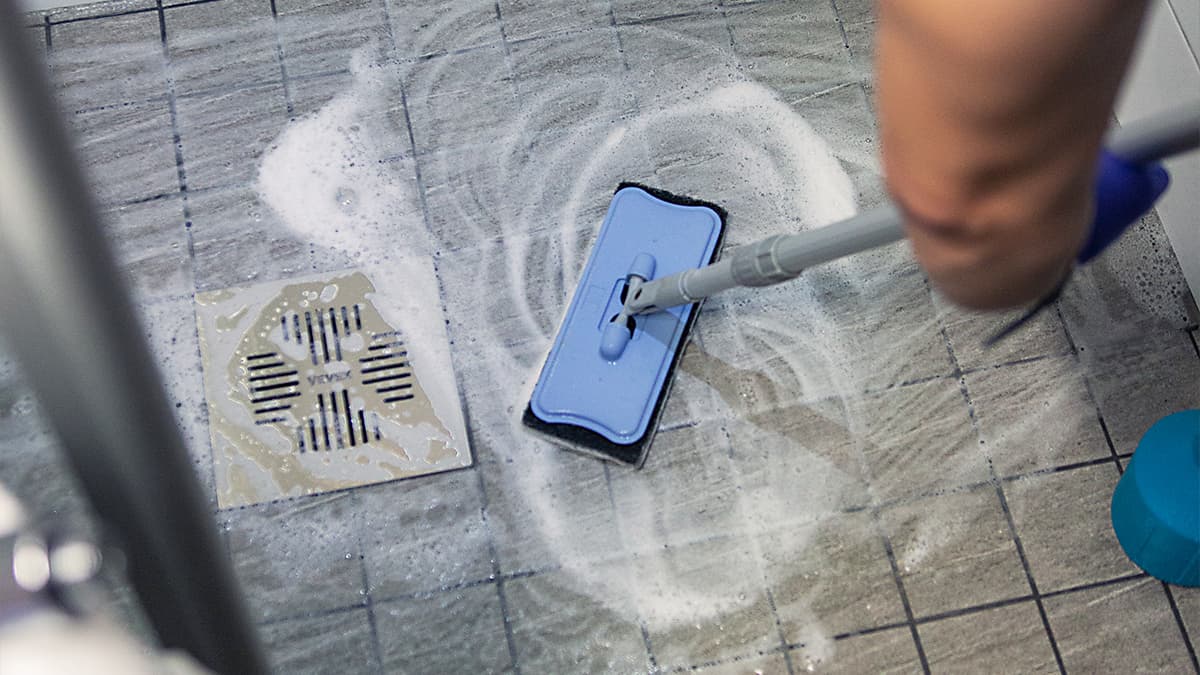
If you want a bathroom that stays looking clean for years, leave the tile paint on the shelf and consider a thorough professional cleaning instead. A well-maintained bathroom with clean surfaces looks surprisingly impressive, even if the colour scheme isn't your favourite.
When we clean your bathroom, we can also replace worn grout and repair any cracked tiles. The result is a bathroom that still looks great years down the line.
Frequently asked questions about tile paint in bathrooms
Does tile paint last in a shower?
Tile paint rarely lasts well in a shower. The surface is exposed to moisture, cleaning products, and mechanical wear, which often causes paint to peel or rub off.
Can you paint a bathroom floor?
A bathroom floor is the worst place for tile paint. It faces water, foot traffic, and cleaning, so paint wears much faster than it would on dry-room walls.
What is better than tile paint?
If the bathroom structure is sound, professional cleaning, grout replacement, silicone replacement, or repairing individual tiles is usually more durable than painting over the problem.