Tile grout replacement
Worn, moldy, or darkened tile grout? Grout replacement restores your bathroom's overall look to clean, durable, and easy to maintain.
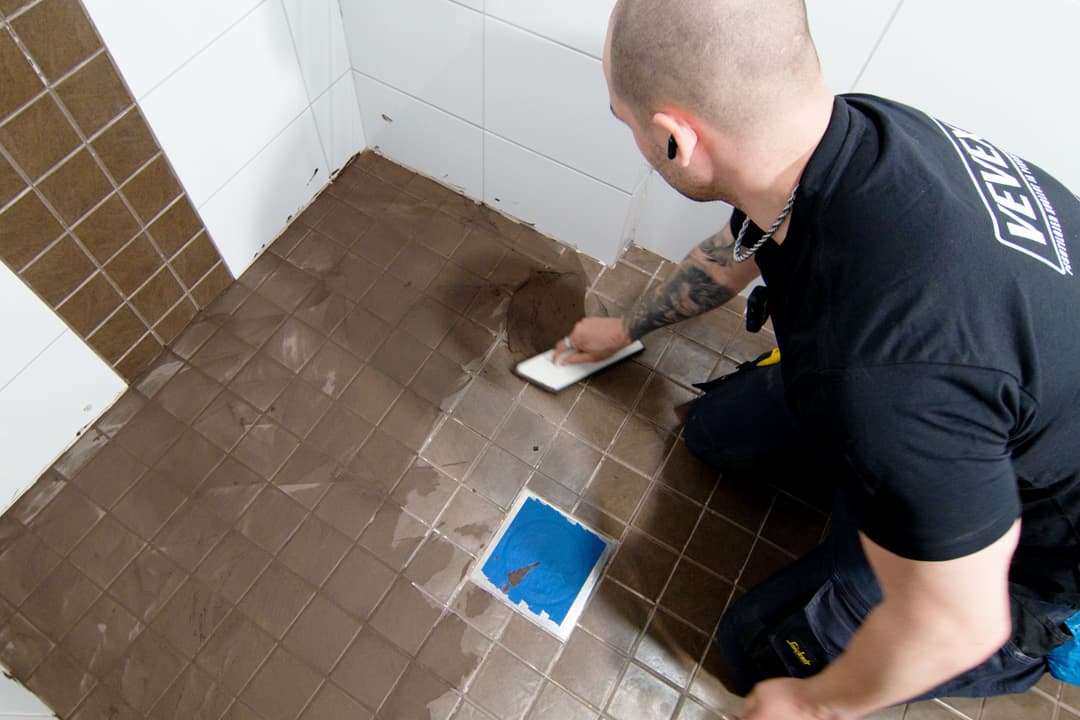
Service overview
Tile grout repair and replacement extend the life of your bathroom. The replacement area can be limited to the problem zone. Grout replacement does not damage tiles, waterproofing, or heating systems.
Combined with other bathroom maintenance services such as multi-stage cleaning and silicone joint replacement, you can maximize your bathroom's lifespan and postpone a full renovation by years.
Tile grout can also be replaced only in the damaged area. A new or matching shade is easy to find and large color differences are avoided.
Vevex Huoleton™ color, satisfaction, and quality guarantee.
Tile grout as part of the overall look
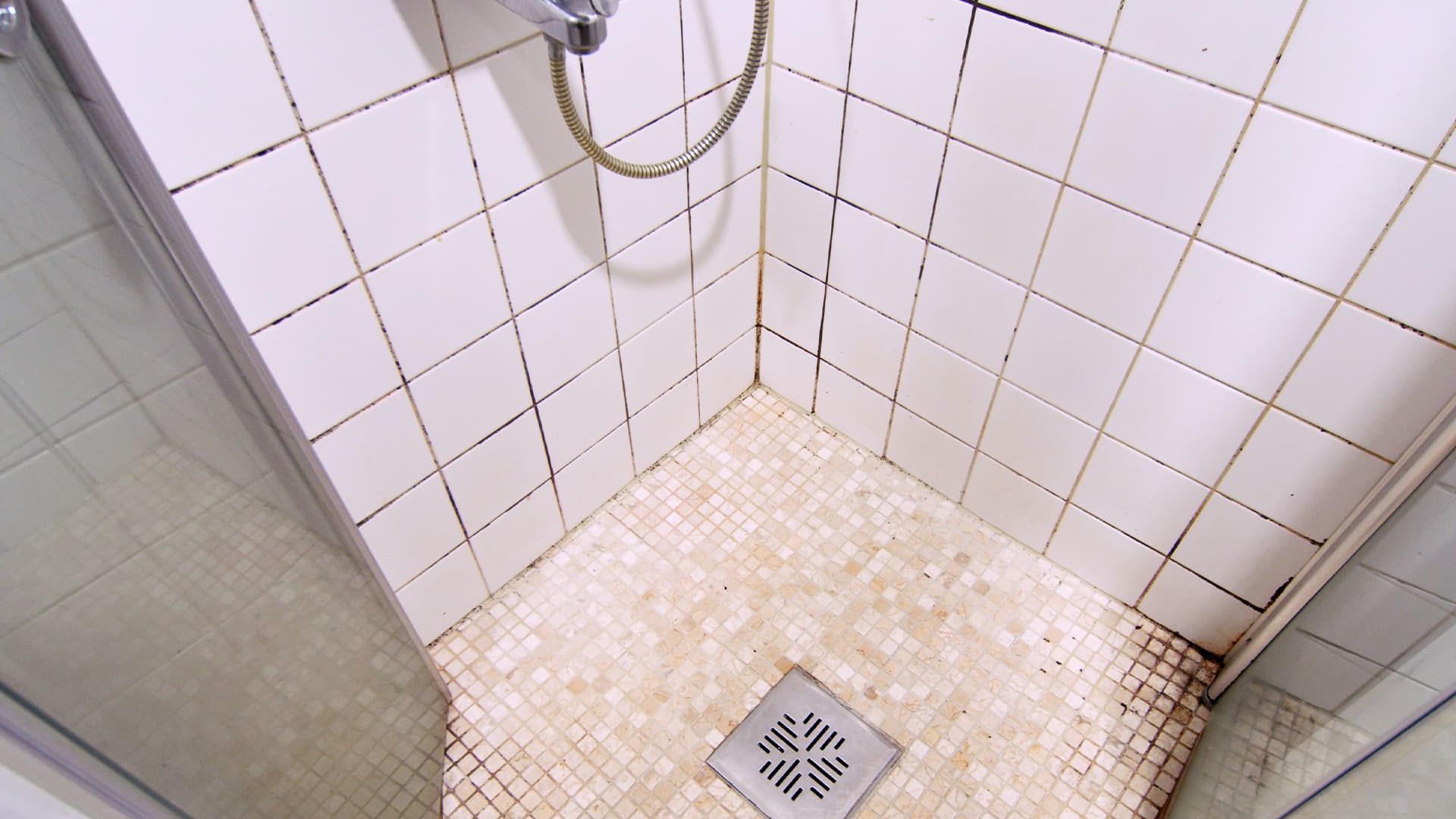
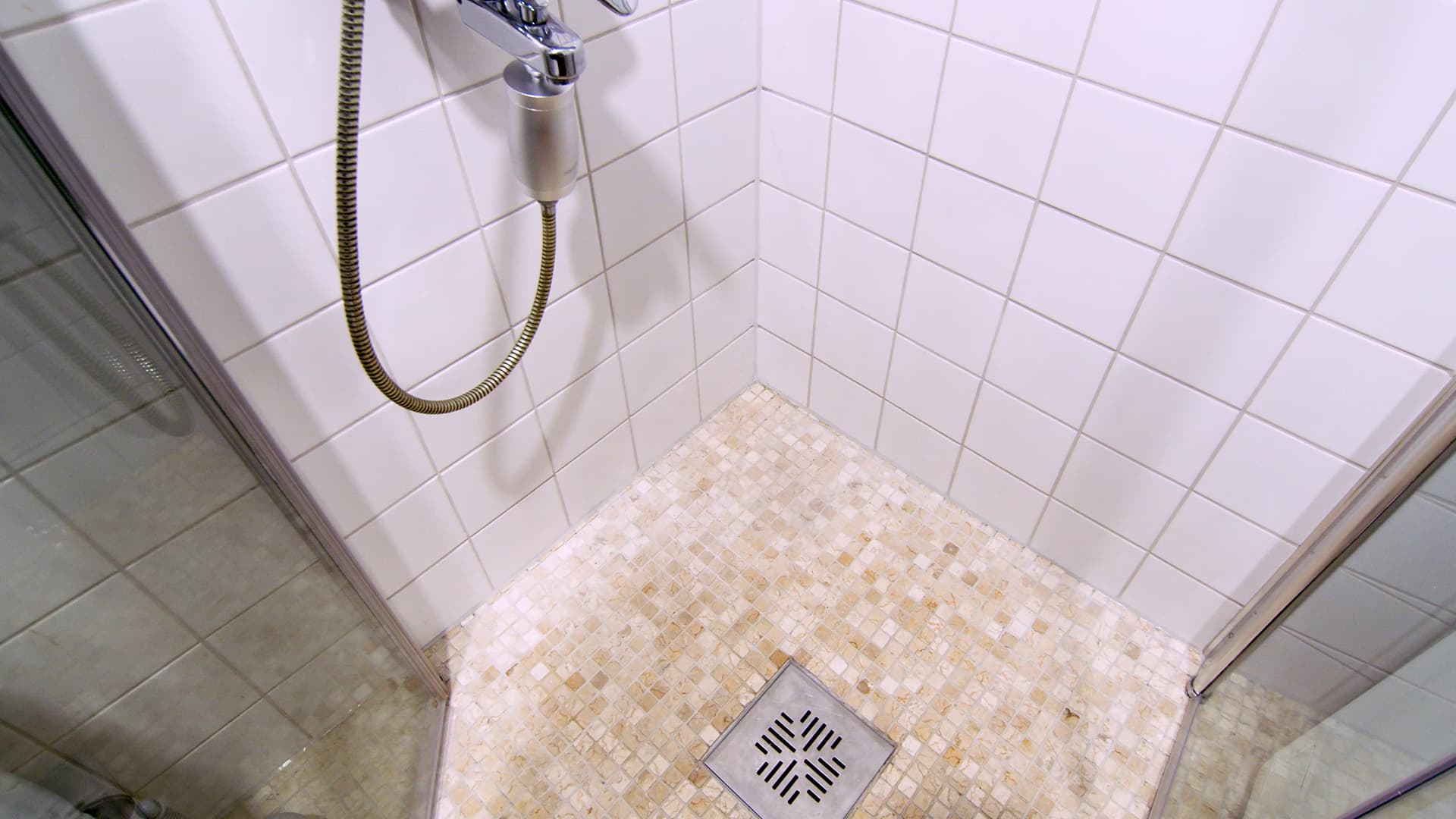
Worn and darkened tile grout significantly affects the overall appearance of a bathroom. Replacing the grout together with a thorough cleaning is the most effective way to restore a fresh look.
New tile grout is sealed, easier to keep clean, and dries faster, which prevents microbial growth.
It all starts with an assessment
We want to know your situation and wishes so we can serve you in the best possible way. We carefully assess the needs of the space and your wishes.
The role of tile grout in a bathroom
The purpose of tile grout in a bathroom is to tidy up the gaps between tiles and make the surface look uniform.
Tile grout finishes off the overall look, protects the waterproofing from impacts, and guides most of the water along the surfaces toward the drain. Worn tile grout absorbs water like a sponge. Excessive moisture under tiles can lead to hollow tiles forming.
New, sealed grout is easier to keep clean and dries faster after use. Water flows mostly to the drain along new, sealed grout rather than remaining in the joints for extended periods. Grout that stays moist for a long time is an ideal breeding ground for microbial growth.
Tile grout maintenance is essential for keeping the bathroom hygienic and long-lasting.
Most common tile grout problems
Cracking, wear, and holes
Bathroom moisture and temperature fluctuations can lead to grout cracking, wearing, and developing holes. Hole formation is especially common when grout was carelessly installed. Water and vigorous cleaning always gradually wear tile grout, and at some point it starts to show.
Microbial growth
Microbial growth in tile grout is caused by the grout staying moist for too long. Cleaning can temporarily remove it, but the problem doesn't go away. A permanent result is achieved by removing the old grout and re-grouting the affected area.
Color changes
Tile grout changing color, getting stained, and becoming patchy. Use wears down the grout and makes the space look untidy. In these cases the grout can often just be cleaned, but more worn grout is worth replacing, at least in the areas exposed to water.
The best solution for grout in poor condition is to replace it with new.
Recognise your own bathroom in any of these?
Leave your number or book a call slot, and we'll tell you what would help. The assessment is free and commits you to nothing.
How to maintain bathroom tile grout?
To maintain the condition of bathroom tile grout, it's important to ensure proper care and maintenance. Here are some tips for maintaining tile grout condition:
- Squeegee the surfaces after use. You can also wipe the surfaces with a towel after squeegeeing so the grout dries as quickly as possible.
- Avoid using strong chemicals when cleaning tile grout, as they can damage the grout sealant and make the grout more susceptible to moisture and microbial growth.
- Clean tile grout regularly, for example once a month. You can use specialist products or make an effective cleaner from vinegar and water.
By following these tips, you can keep your bathroom tile grout in good condition and extend its lifespan.
How to monitor tile grout condition?
- Check tile grout regularly for potential damage such as wear, cracks, or hollows. A visual inspection goes a long way.
- Look for black spots in the tile grout, indicating microbial growth. This is a sign that the surfaces stay moist for too long.
- Monitor the overall condition of the grout. If it has holes and cracks, the space stays moist longer, which increases water stress on the surface materials and adhesion mortars. This also raises the risk of surface mold.
Regular monitoring and maintenance keeps upkeep costs moderate and keeps the space long-lasting.
When might tile grout replacement be needed?
Tile grout replacement is safe with Vevex Oy's methods. All equipment is fitted with depth stops so that waterproofing, heating systems, or other structures cannot be damaged. The stop ensures the desired layer of old grout is removed. This guarantees removal of the worn grout and sufficient bonding depth for the new grout. After replacement, the grouting is as good as new!
Replacement scope and locations
Tile grout replacement is normally done on the worst water-stressed areas of walls and floors, or on floors in other spaces where wear is heavy and grout wears the most.
We perform tile grout replacements in private homes as well as swimming pools, rental housing associations, hotels, and many other spaces with tiled surfaces that need maintenance.
Connection to silicone joints
When replacing tile grout, silicone joints must also be replaced in the grout replacement area if there are silicone joints at the ends of the grout rows. The grout is opened all the way to the ends, which automatically means silicone replacement at the same time. When grout replacement is needed, silicone is usually also good to replace condition-wise. In dry areas, silicone replacement is usually not needed alongside grout replacement, as there are normally baseboards at the edges.
Technique and materials
Tile grout replacement is precise work and should be left to a professional if you don't know what you're doing and the tools aren't suited for the job. This is especially true in wet rooms where there's a risk of damaging the waterproofing.
Old grout must be removed to at least 3 mm depth so the new grout gets a sufficient bonding surface. A 3 mm depth is safe because wet room tiles are generally not thinner than 3 mm. If the grout isn't removed deeply enough, the new grouting will be short-lived.
Microbial growth in the grout can also be eliminated by removing a sufficient surface layer of old grout. For spaces with microbial growth, we recommend nano-coating the new grout after replacement, as the coating repels water and dirt.
There are also very different grades of grout mortars available. The choice of mortar can greatly affect the durability of tile grout in a bathroom. The products and materials we use are among the best in the industry, ensuring neat and durable results with professional workmanship.
Tile grout replacement can give your bathroom a fresh, new look and improve its functionality. If you're concerned about the condition of your tile grout or need a replacement, we'll be happy to tell you more.
Want to hear more and take a step towards a carefree space?
Getting in touch doesn't commit you to anything. Fill in the contact form and we'll be in touch by the next business day at the latest, or book a call slot and we'll be in touch at the scheduled time.