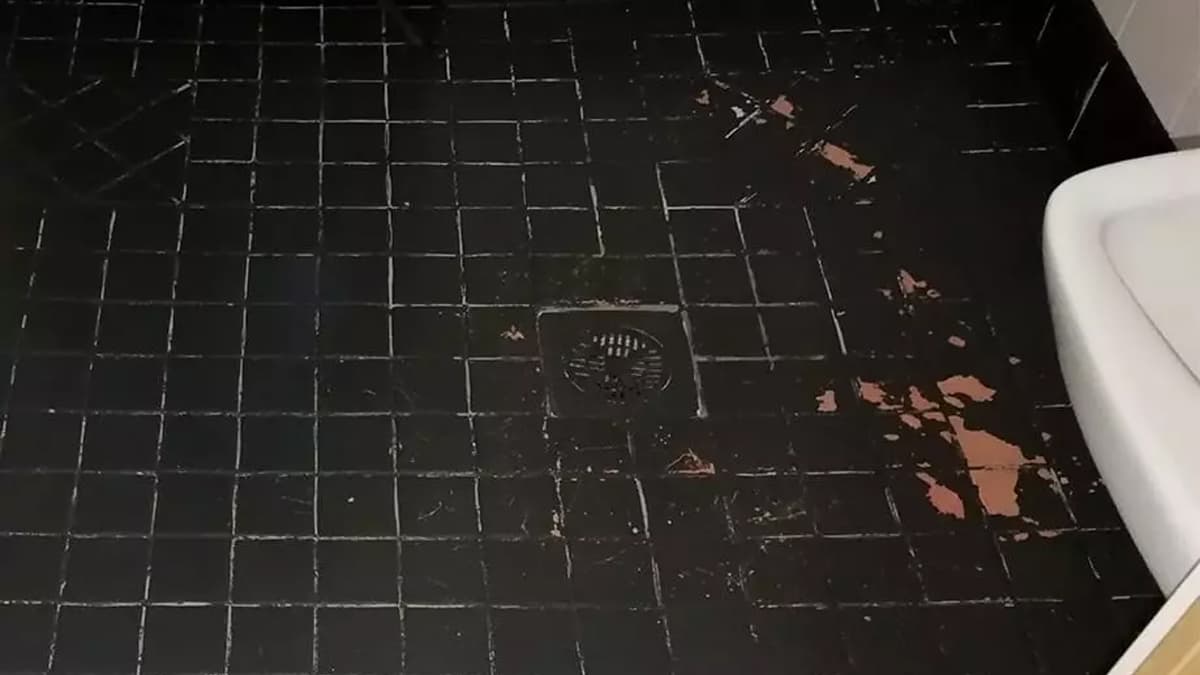
Are you tired of your bathroom's color scheme? Does your bathroom feel shabby and unclean? Perhaps you're wondering whether the waterproofing is still intact?
If you answered "yes" to even one of these questions, you've surely considered a bathroom renovation. A renovated bathroom not only improves comfort but also the value of the entire property. Bathrooms must endure heavy moisture day after day, sometimes for decades. Inadequate waterproofing, deteriorated silicone joints, or cracked tiles can in the worst case lead to extensive moisture damage affecting both property value and residents' health.
The fact is that all surfaces, joints, and membranes begin aging from their very first day. Maintenance-free homes or surfaces simply don't exist. With proper care, however, the lifespan and safety of a home, including the bathroom, can be significantly extended. The more carefully you clean and maintain your bathroom, the better condition it stays in.
Even a well-maintained bathroom will need renovation eventually. But when? And what should you consider when planning a bathroom renovation?
Quick answer: does your bathroom need renovating?
A full bathroom renovation is mainly necessary when waterproofing is inadequate, moisture damage is suspected, or the bathroom structure is no longer safe. If the problem is mostly dirt, worn grout, deteriorated silicone joints, or limescale, targeted maintenance can often refresh the bathroom without a complete renovation.
When is a bathroom renovation necessary?
When considering the need for a renovation, the first thing to assess is the bathroom's age. A well-built bathroom doesn't need renovating every 10 years, but as it approaches its second decade, the need may become urgent. Also consider what the real problem is: is it the appearance that bothers you, or are there structural or functional shortcomings?
If the bathroom already has moisture damage or its waterproofing is inadequate or deteriorated, renovation is urgent. For an aging bathroom, it's worth ordering a thorough assessment to confirm the condition and determine the scope of any needed work.
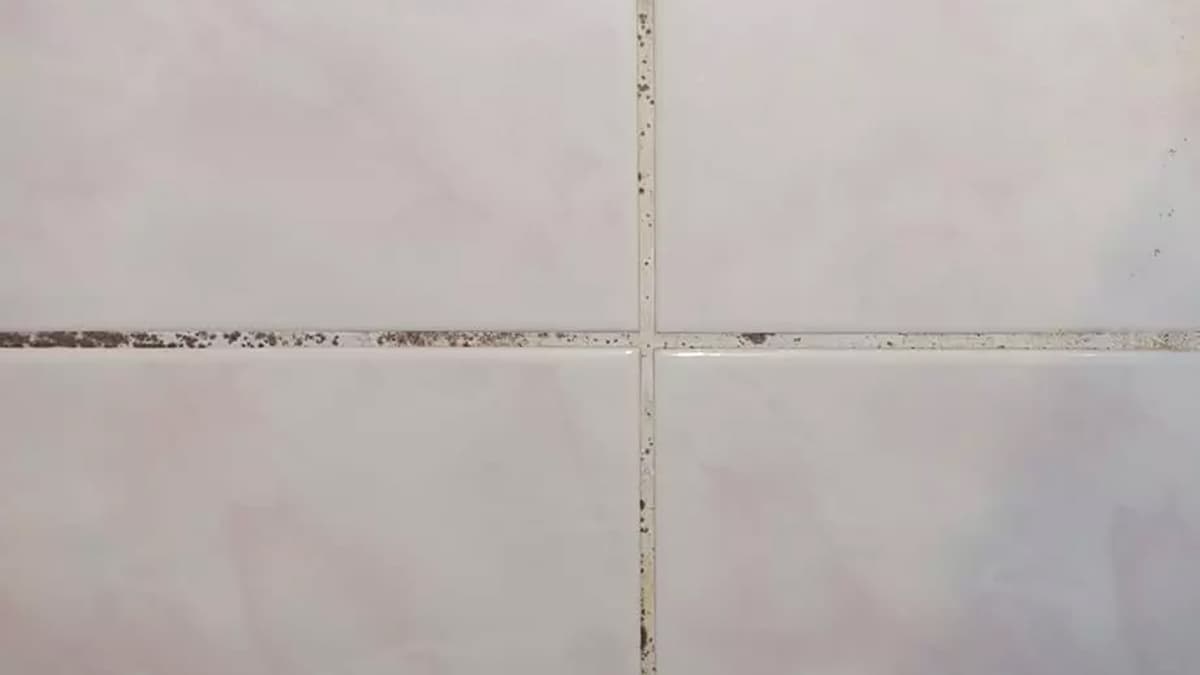
Mold spots in tile grout don't necessarily mean you need a renovation
Remember that moisture damage cannot be detected with the naked eye. Mold spots in tile grout don't necessarily indicate moisture damage. It may simply be that the grout's protective surface treatment has worn away. In that case, the problem can be solved with grout cleaning or replacement alone.
What should you consider when planning a bathroom renovation?
If you decide on a full bathroom renovation, it requires careful planning and, of course, a skilled contractor. A bathroom renovation is one of the most demanding home projects, as poorly executed work can lead to permanent structural damage and moisture problems. Choose your contractor carefully. Recommendations are generally trustworthy. Ask friends about their experiences or browse reviews online.
Once the contractor is selected, it's time to start concrete planning. First, plan the bathroom's functionality and fixture placement, as these affect plumbing locations. Will the pipes be completely redone, or can fixtures be placed according to the existing plumbing?
Effective ventilation and moisture-resistant materials extend bathroom lifespan
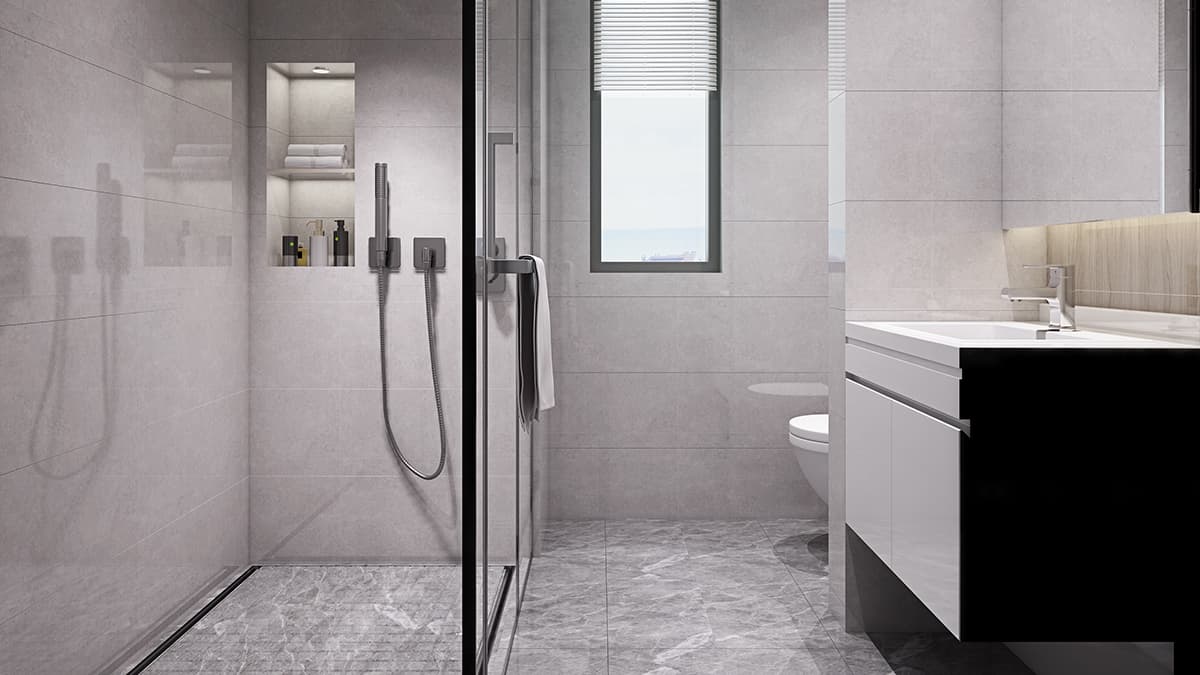
The most important element in a bathroom is proper ventilation. A poor-quality or badly positioned ventilation duct won't remove moisture efficiently enough, placing significant strain on the bathroom. Effective ventilation extends the bathroom's lifespan and reduces the risk of moisture damage. The exhaust duct should always be placed near the shower, especially if the shower area is enclosed by glass walls or a shower cabin.
Enclosing the shower area is actually a wise choice. It reduces the area exposed to heavy water. In addition to ventilation, the shower area deserves special attention regarding surface materials. Since moisture levels are highest in the shower area, plastic trim strips are preferable to wood, as wood withstands significantly less moisture. A seamless floor surface in the shower area is also worth considering, so water drains more efficiently and dirt and moisture don't accumulate in joints.
Choose your new bathroom tiles carefully
The next question is the bathroom's color scheme and surface materials. Tiles shouldn't be chosen hastily on a whim, as they greatly affect the bathroom's ease of maintenance and lifespan. Tiles come in many price ranges, but this may not be the right place to cut costs. Some tiles absorb surprisingly large amounts of moisture and can darken over time, drawing moisture into wall structures.
For cleanliness and ease of maintenance, tile color and size matter too. Dark tiles show limescale easily, while light tiles reveal every speck of dirt. If you're not the most diligent cleaner, consider choosing a color that's neither extremely dark nor extremely light.
Above all, bathroom renovation planning should take into account your personal needs for functionality. We also recommend choosing surface materials that are as low-maintenance as possible. A carefully executed bathroom renovation ensures a long-lasting bathroom that won't need renovating again for years.
What if there were an alternative to a full renovation?
Sometimes a comprehensive renovation is necessary to preserve the home's structures and residents' health. However, a laborious, expensive, and time-consuming renovation isn't always needed. Bathrooms can be improved and refreshed with various solutions that are considerably easier and more budget-friendly than a full renovation.
Multi-phase cleaning for sparkling bathroom surfaces
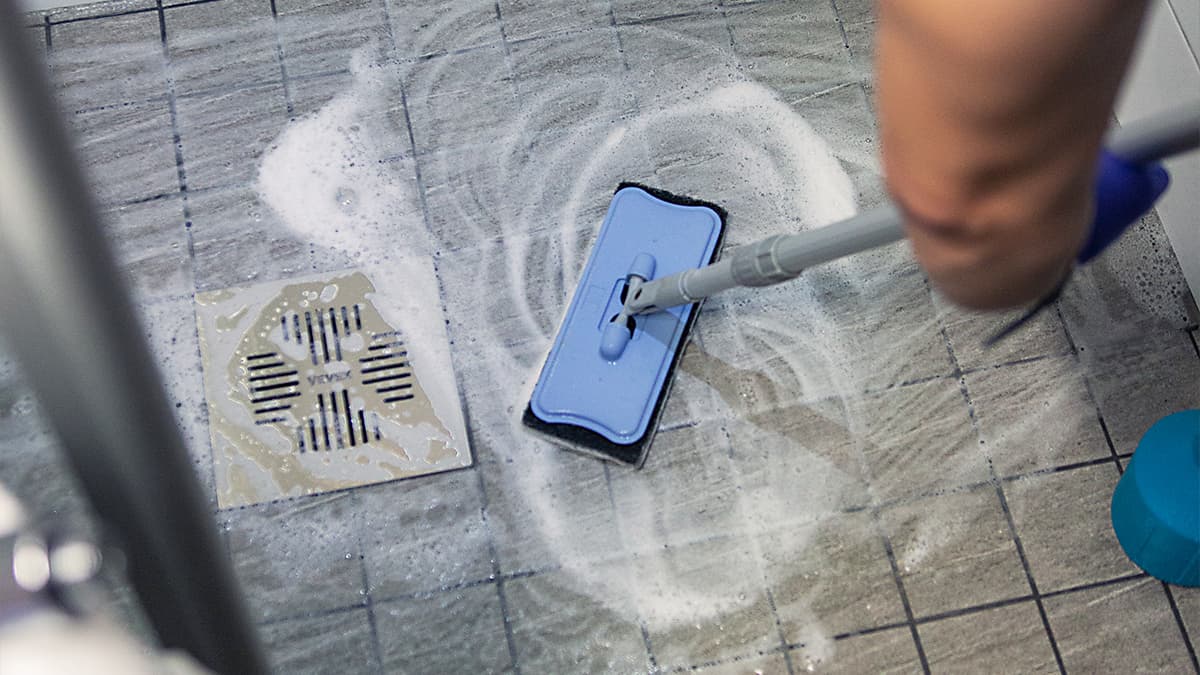
A shabby, grime-covered bathroom can be quickly, easily, and affordably refreshed with an effective multi-phase cleaning. This process removes even deeply ingrained dirt, stains, and limescale in an environmentally friendly way, without wearing down joints or surfaces. Multi-phase cleaning works on both tiled and vinyl mat surfaces. During the process, all bathroom surfaces, including grout, are cleaned both manually and mechanically. After multi-phase cleaning, even an old, dingy-looking bathroom feels fresh and sparkles like new!
Before you start tearing old tiles off the walls, it may be worth seeing what multi-phase cleaning can achieve. You may be pleasantly surprised and save a meaningful amount.
Tile and silicone joint replacement
Over time, tile grout and silicone joints may develop surface mold appearing as dark spots. This doesn't necessarily mean there's moisture damage, often the mold-preventing surface treatment has simply worn away.
Additionally, joints may develop holes and cracks. These issues must be taken seriously, as holes and cracks collect water and grow over time, eventually allowing moisture to pass through.
However, unsightly or damaged joints don't warrant tearing open the entire bathroom. The problem is usually solved with straightforward tile and silicone joint replacement. Professionally executed joint replacement causes no damage to tiles, waterproofing, or heating systems.
A professional assessment visit determines your bathroom's condition
All our services are designed to provide you with a more affordable solution for creating a comfortable, low-maintenance, and durable bathroom. Our bathroom maintenance services significantly extend the lifespan of your facilities and postpone the need for renovation by years.
If you're unsure whether your bathroom needs a comprehensive renovation, need help with renovation planning, or are looking for lighter and more cost-effective alternatives, don't hesitate to ask a professional.
Sometimes during the assessment it turns out that none of our services are quite right for your bathroom's needs. Even in these cases, we'll help you find the best possible solution through our network of partners. So don't hesitate to get in touch and book a free assessment visit! Let's find the best solutions together for your dream bathroom.
Frequently asked questions about bathroom renovation
Do dark grout spots mean the bathroom needs renovation?
Not necessarily. Dark spots in grout can come from dirt, surface mold, or worn grout treatment rather than moisture damage. An assessment helps separate cosmetic issues from structural risk.
When is a full bathroom renovation necessary?
A full renovation is necessary when waterproofing is inadequate, moisture damage has been confirmed, or the bathroom structures are no longer safe. In those cases, surface cleaning or grout replacement is not enough.
What are the alternatives to a full renovation?
If the bathroom structures are in good condition, multi-phase cleaning, grout replacement, silicone joint replacement, nano coating, or repairing individual defects can extend the bathroom's lifespan without opening up the entire room.