Silicone Joint Replacement
Moldy, loose, or deteriorating joints? Silicone joints have a shorter lifespan than your bathroom's other surface materials, so they need to be replaced from time to time. Replacing silicone joints is a normal maintenance task in wet rooms. Get a Vevex Huoleton™ silicone joint replacement with quality, color, and satisfaction guarantees.
Shall we work out together what your bathroom needs?
Leave your number or book a call slot, and we'll ring you and tell you straight whether maintenance is enough. The assessment is free and commits you to nothing. We'll be in touch by the next business day at the latest.
Silicone joints as part of the overall bathroom
Silicone joints act as expansion joints in the corners of a bathroom, allowing the tiling to move with the natural shifting of materials caused by structures and temperature variation. Silicone joints also tidy up the overall look of the space, as the joint covers the gaps between tiles and finishes the appearance. Silicone also protects the waterproofing, without a silicone joint, a corner would offer a direct route to the waterproofing layer.
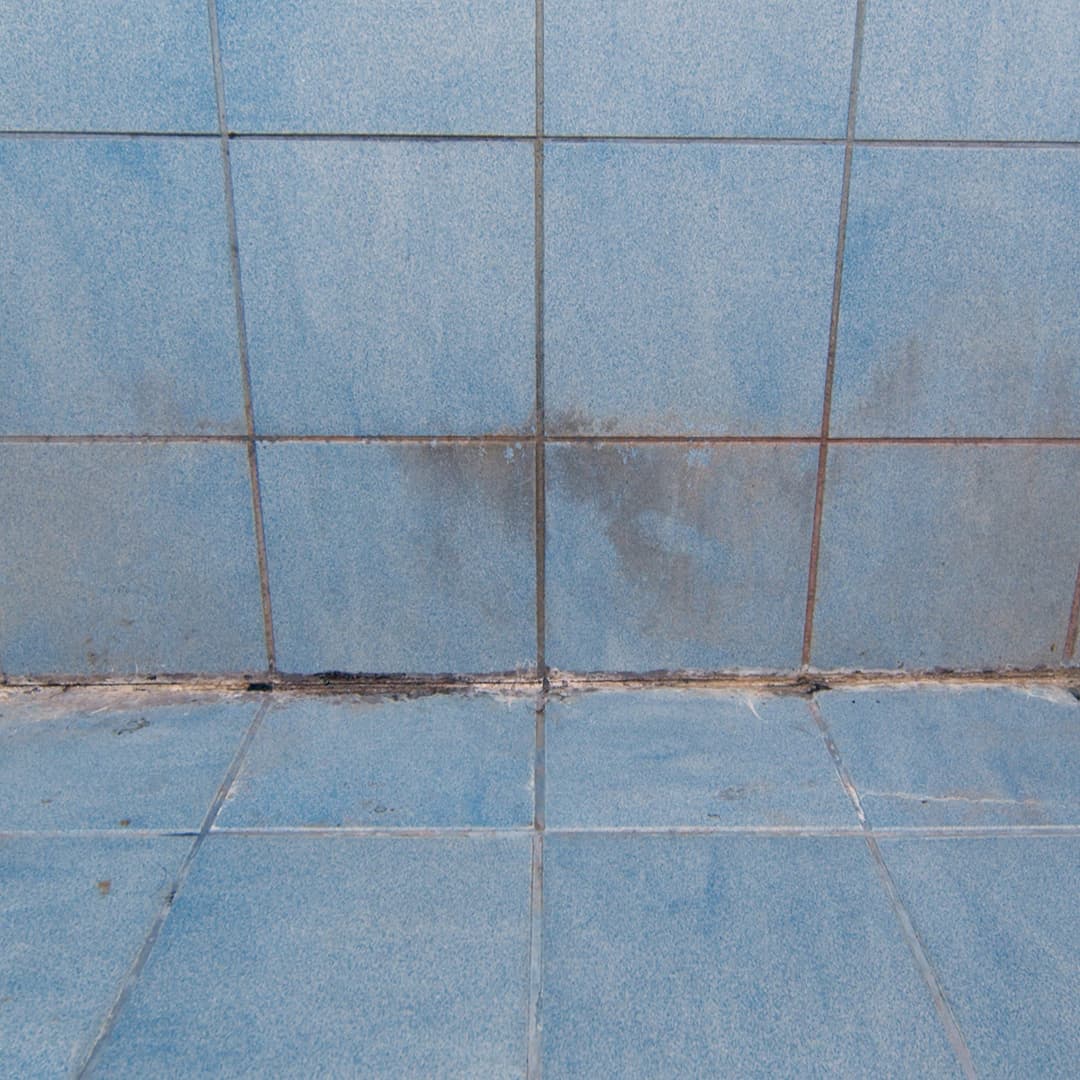
When silicone joints reach the end of their lifespan, they begin to deteriorate, grow mold, and come loose. This adds moisture load to the space and slows its drying between uses. The increased water stress and elevated moisture levels weaken the bathroom's condition rating (KH 90-00495). In addition, poor-condition silicone joints cause various stains and surface mold and increase the water stress between the waterproofing and the tiling, over the long term this can weaken the tile adhesion. On top of that, a worn silicone joint simply looks untidy.

Service overview
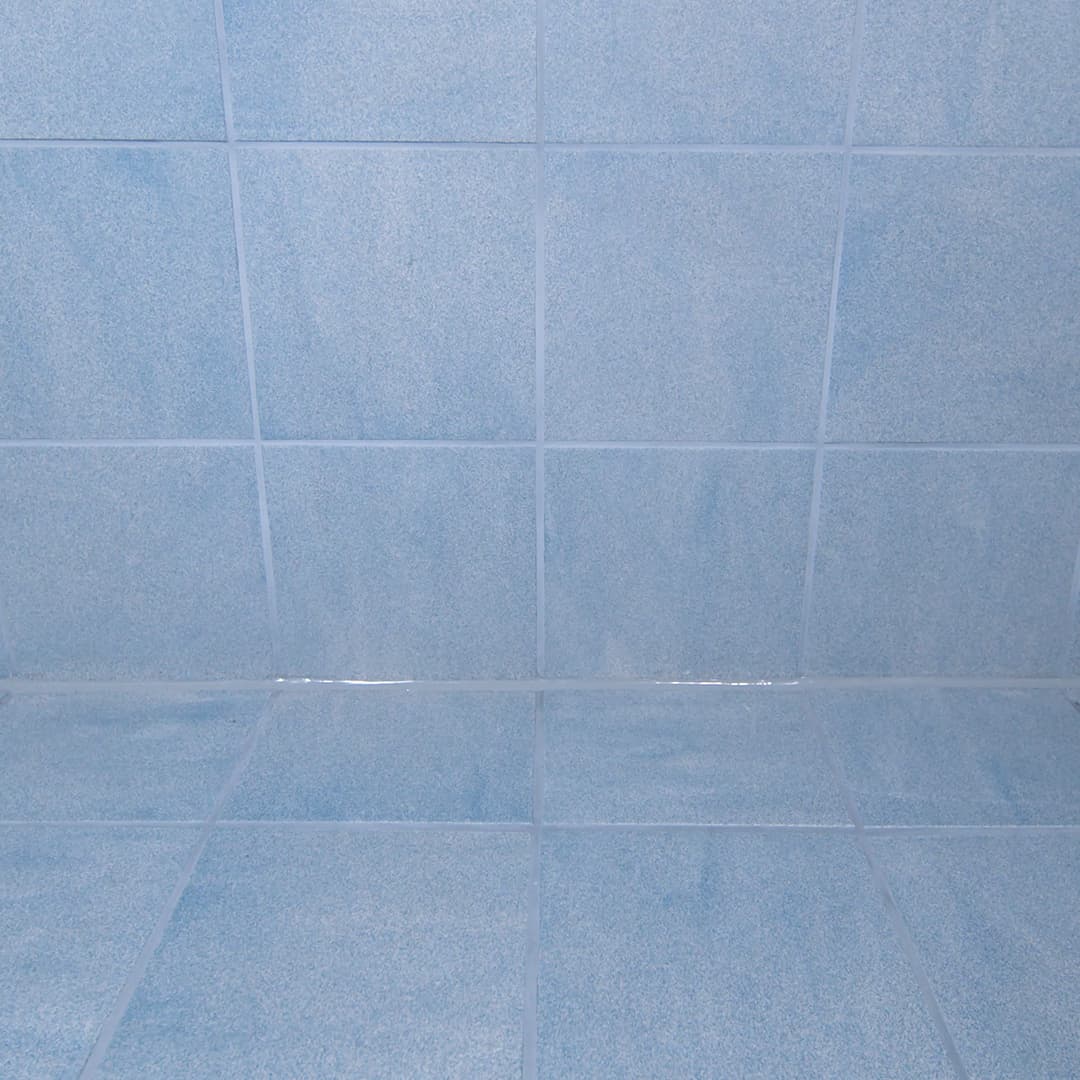
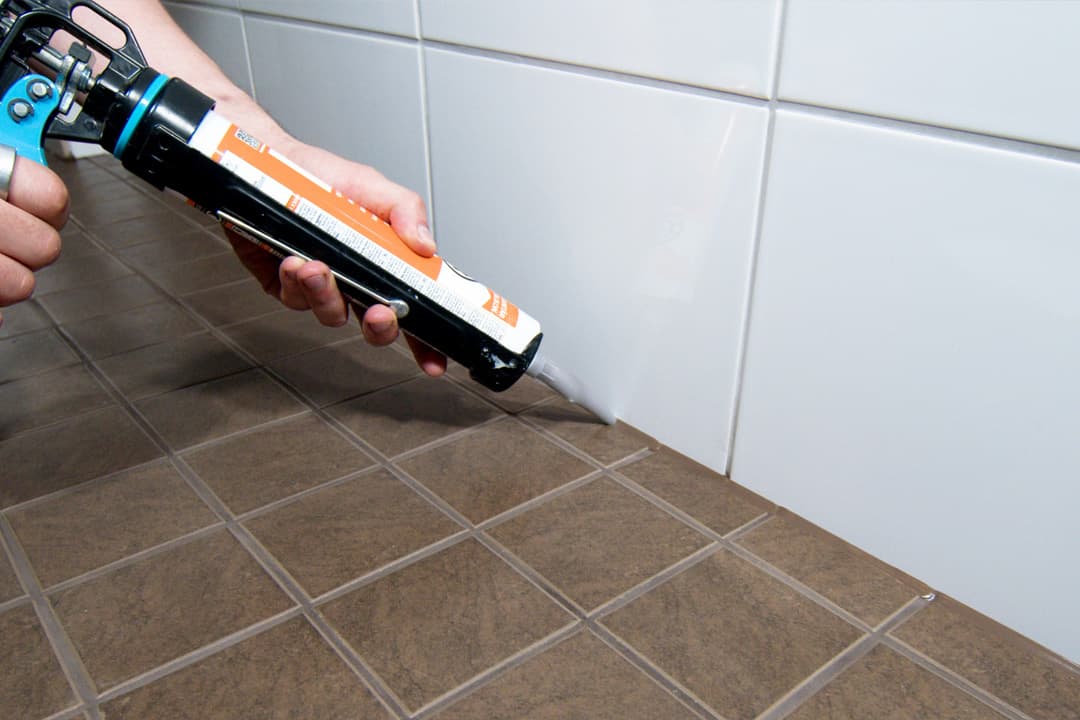
Silicone joint replacement is always carried out by a permanent professional trained by Vevex. We remove the silicone joints using tools and agents designed specifically for the purpose, so that we achieve the best possible result when removing the old silicone and keep the waterproofing safe.
For silicone sealing, we use only the best and most durable silicone compounds on the market. This ensures that the benefit of replacing silicone joints is as great as possible for our customers.
It all starts with an assessment
We want to know your situation and wishes so we can serve you in the best possible way. We carefully assess the space's needs and your preferences.
The role of silicone joints in the bathroom
The purpose of silicone joints is to act as an expansion joint, to finish off the corners, and to protect the waterproofing.
As an expansion joint, silicone joints also provide flexibility for moving surfaces. As structures move due to temperature fluctuations or other structural shifts, the silicone joint between bathroom tiles allows slight movement for different materials. If tiles are placed too tightly, for example, tiled wall to wall or floor to ceiling, problems can arise during thermal expansion.
As temperatures change, tiles are forced to move somewhat due to thermal expansion. Without the expansion joint provided by silicone, tiles can crack, detach from their base, or shift in the only possible direction, away from their attachment. If tiles detach from their base, there is also a risk that the waterproofing detaches and breaks, if the waterproofing is more tightly bonded to the renovation adhesive used for the tile fixings than to the material beneath the waterproofing.
Silicone joints are in the bathroom for a reason, and their condition affects the tidiness, longevity, and condition rating of the space. Regular inspection and professional replacement of silicone joints is important to ensure long-term use.
Most common problems with silicone joints
Detachment
Silicone joints come loose over time, which causes stains to build up and increases moisture stress in the space.
Color
Silicone joints can become discolored over time and start to look untidy.
Surface mold
Silicone joints are treated to resist mold, but the anti-mold agents don't last forever, so surface mold can eventually start to form on the silicone joints.
Poor quality
Using low-quality silicone compound or poor workmanship can result in uneven joints, affecting both appearance and seal integrity.
The best solution for silicone joints in poor condition is to replace them with new ones.
Recognise your own bathroom in any of these?
Leave your number or book a call slot, and we'll tell you what would help. The assessment is free and commits you to nothing.
Silicone joint durability
The durability of silicone joints can vary for several reasons. One of the most important factors is the quality and composition of the silicone. Higher-quality and more durable silicones last longer than cheaper, lower-quality products.
The durability is also affected by how well they are installed. Careless silicone installation or imprecise work can lead to premature wear or detachment.
Environmental conditions also matter. Exposure to UV radiation, moisture, extreme temperatures, or chemicals can affect joint durability.
Usage intensity is also a significant factor. In public spaces like swimming halls or gyms, usage is very high, while residential use is lower. There are also big differences within residential use. An older couple uses the facilities much less than, say, a five-person, actively sporty family.
Finally, usage conditions are important. For example, if silicone joints are constantly used in moist or hot conditions, they may wear faster than joints used at normal room temperature.
In summary, many factors affect the lifespan of silicone joints, including silicone quality, installation method, usage intensity, environmental conditions, and usage conditions. The lifespan ranges from a few years to up to ten years. No exact duration can be determined. Their condition should be monitored regularly.
How the silicone joint replacement works
Silicone joint replacement begins by assessing the space, needs, and wishes. Whether all silicone joints are replaced, only a certain area, and whether other measures should or want to be carried out alongside the silicone joint replacement. Once the overall plan is agreed on, we move on to carrying out the work on a jointly agreed schedule.
Tools used for silicone removal
There are several removal tools available for removing bathroom silicone joints. The most important thing about the removal tool is that it is not, for example, a knife or a blade, but the tools used for silicone removal are safe for waterproofing. The removal tool must have a 90-degree blade so that silicone removal can be done safely, without risk of damaging the waterproofing. The blade of any tool used must not be long, so that in the event of a slip the blade cannot reach the waterproofing.
In addition to mechanical removal tools, we often use silicone removal agents. The removal agent helps achieve a clean and durable finish when replacing silicone joints, especially on uneven tiles and natural stone, proper silicone removal with tools alone is not possible, and abrasive sponges and silicone removal agents are needed to help.
Using the wrong tools can damage the waterproofing, tiles, and grout.
Factors affecting silicone removal
Many factors affect silicone removal and consequently the difficulty and time required for the work.
The first factor is the tile surface, whether the tiles are smooth or rough. Removing silicone from rough tiles is more laborious and slower than from smooth ones. Due to the uneven surface of rough tiles, the removal tool blade cannot be used to its full extent, and much of the silicone must be removed using removal agents.
The second factor is the quality of the tiling, how straight the tiles were placed when the current tiles were installed. If adjacent tiles are significantly offset due to careless installation, much more care is needed with the removal tool, and there is more silicone to remove unevenly. If large gaps were left for silicone in the tiling corners, more silicone was needed when the bathroom was built. This makes the joint wider than normal, meaning removal and installation take more time.
If there are loose tiles (hollow-sounding, detached from their base) near the silicone joints, care must be taken with the tools, because loose tiles can break easily during the work. Securing any loose tiles is recommended as part of the work.
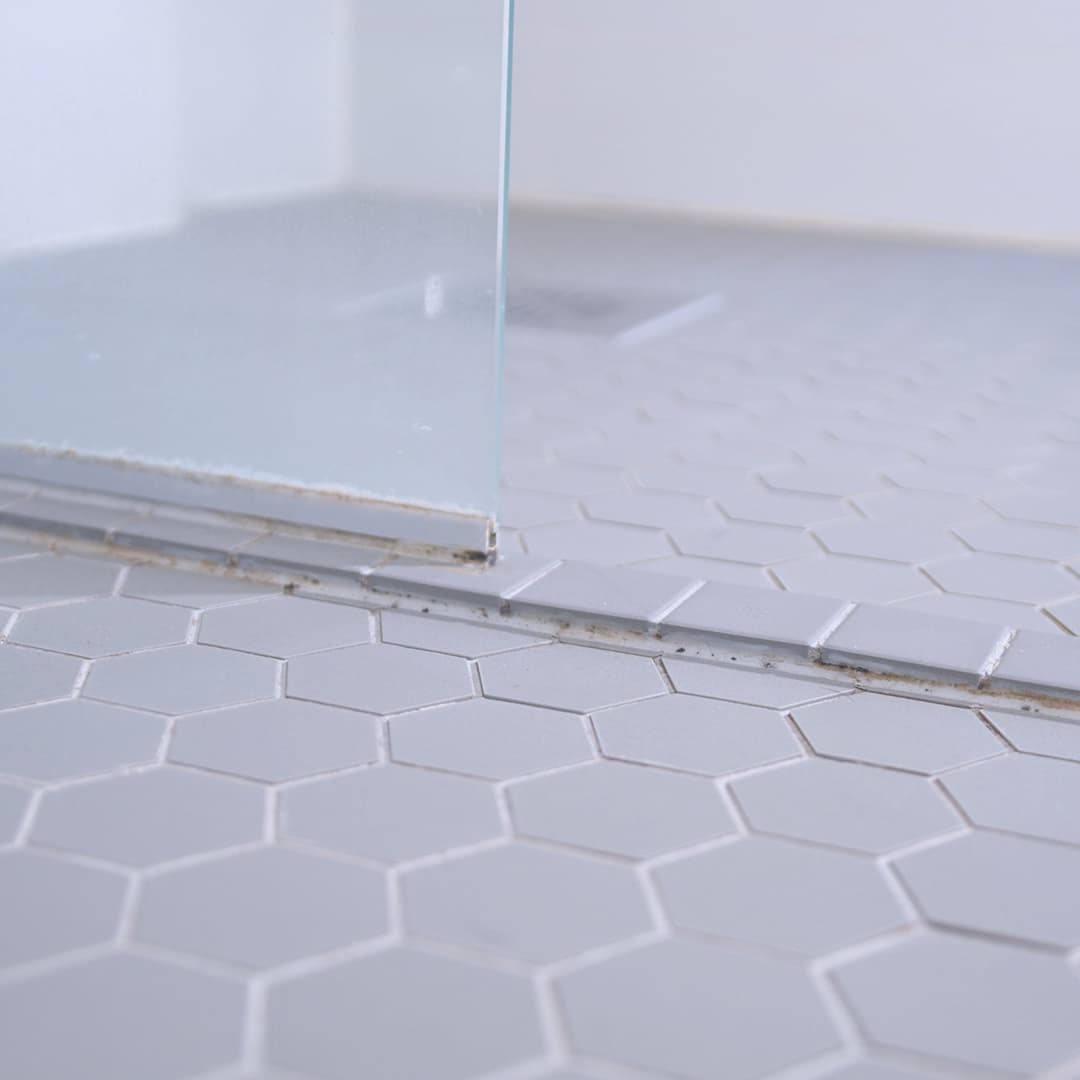
If there is mold in the silicone joints (black spots), extra care is needed during removal. Mold removal from silicone joints is precise work, and the key is ensuring all old silicone is removed. Mold easily returns if not all microbial growth is removed.
Finally, it must be ensured that the tiles are clean and thoroughly dried, and lastly that grease is removed from the surface. Tile cleaning and drying affect the adhesion of new silicone. If cleaning was not thorough enough, the new silicone won't get a good enough adhesion surface and will be more likely to detach.
Factors affecting silicone installation
Installing silicone is just as precise work as removing it. There are many factors in silicone sealing that affect a durable, neat, and good-looking result.
One of the biggest factors is the installer and their experience/expertise in silicone sealing. This affects how straight the joint turns out, whether the silicone definitely reaches from tile to tile, and whether the result is neat and durable. Another important aspect is choosing the right silicone compound. Color and quality are the most important considerations.
The impact of original tiling quality continues into the sealing phase. If the gaps in the bathroom tiling are wide, the new sealing will also be wide. Applying a wide silicone joint requires precise and patient work.
The new silicone joint is correctly installed with 2-point adhesion. That is, the silicone seal bonds to the wall-to-wall or floor-to-wall tiles, but not to the base.
Special care must also be taken when installing wide corners. It's easy to squeeze too much silicone compound into the corner and press it deep, creating a dam in the tiling corners. This dam prevents water from spreading behind the tile, slowing moisture drying.
Silicone joint replacement work often involves potential liabilities, especially in housing associations. Careless silicone removal can create liability for you if moisture damage is later discovered in the apartment. For this reason, we always recommend that if bathroom silicone replacement is not familiar work, it should be left to a professional, and you should also be careful when choosing that professional.
Want to hear more and take a step towards a carefree space?
Getting in touch doesn't commit you to anything. Fill in the contact form and we'll be in touch by the next business day at the latest, or book a call slot and we'll be in touch at the scheduled time.