Bathroom silicone joint removal becomes necessary sooner or later. Typically, bathroom silicone joints last around 3–10 years. Their lifespan depends primarily on the quality of the silicone used and how carefully the joints were applied. Usage frequency also plays a role: the more often the bathroom is used, the sooner silicone joint replacement becomes necessary.
Quick answer: when should silicone joints be replaced?
Silicone joints should be replaced when they have dark stains that will not come off, have dried out, cracked, pulled away from the edge, or no longer seal properly. Do not wait too long, because damaged silicone can let water behind tiles and make the problem worse.
Microbial growth spreads quickly from silicone joints to tile grout
The need for silicone removal usually arises when residents notice dirt-like microbial growth, mold, in the silicone joints. When you spot microbial growth in the joints, it's best to schedule removal and replacement fairly quickly to prevent the growth from penetrating deeper into the silicone and spreading to the tile grout.
If microbial growth has reached deeper into the silicone, it must be carefully removed in its entirety. Only when mold hasn't penetrated deeper can removing just the surface layer be sufficient.
Dried-out silicone can cause hollow tiles
Another common reason for silicone joint removal and replacement is that the silicone dries out and deteriorates with age. Dried silicone can allow water between the waterproofing membrane and tiles, wearing down the adhesive mortar. This leads to hollow tiles that may eventually detach completely from the adhesive.
Removing and replacing silicone joints yourself
Silicone must be removed from joints using a silicone removal tool designed specifically for this purpose, available at hardware stores. Silicone removal agents are also available and work best for finishing touches. These agents aren't very effective on larger amounts of silicone, so most of it needs to be removed by hand.
Avoid sharp tools
When removing silicone, pay particular attention to keeping the bathroom's waterproofing membrane intact. Never use utility knives, blades, or other sharp tools. These can easily damage the waterproofing.
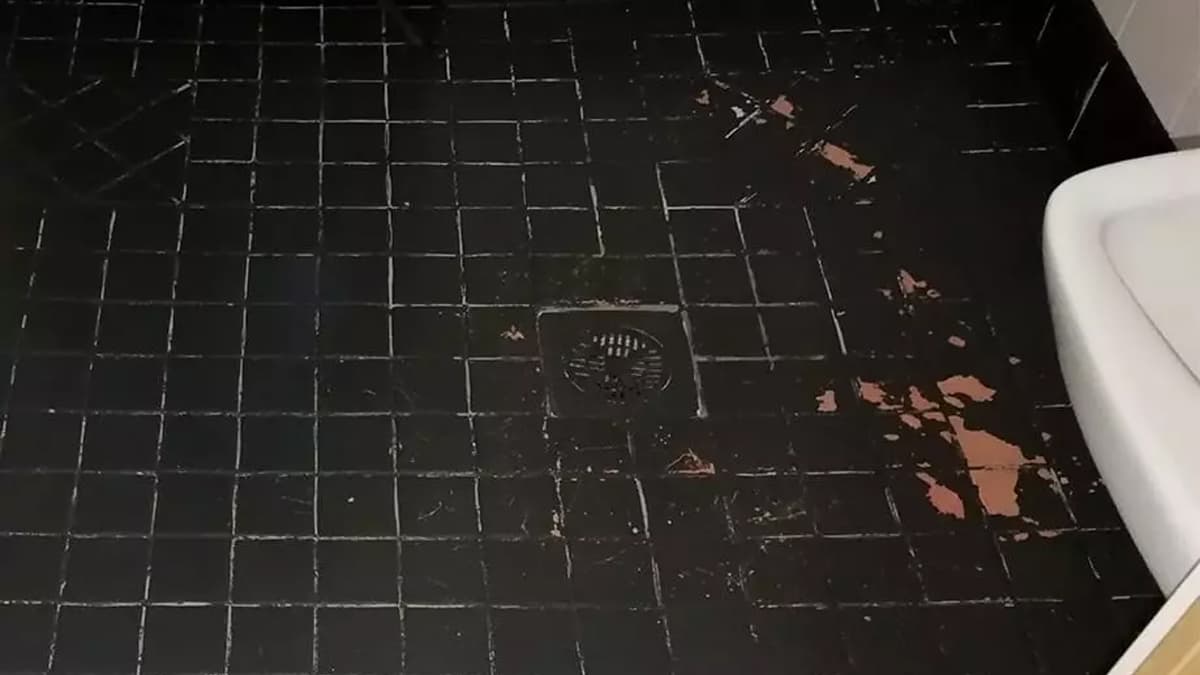
If the waterproofing is damaged, you're facing a much bigger job: at minimum, the bottom row of wall tiles and the floor tile row closest to the wall need to be removed. Then 3–4 cm of new waterproofing must be applied over the old membrane to cover any holes. In some cases, even more tiles may need to be removed. Don't ruin intact waterproofing. Buy a proper silicone removal tool.
Clean tiles and joints thoroughly before re-sealing
Once the silicone is removed, the tile joints must be cleaned thoroughly. New silicone only adheres to clean surfaces. If any contaminated silicone, grease, soap, limescale, or other dirt remains under the new silicone, you'll find yourself replacing the joints again in a year or two.
Silicone joint replacement works with the right tools and care
Silicone removal and joint application have their own risks and challenges. This doesn't mean you can't do it yourself. With careful workmanship and the right tools, it's certainly achievable. The most important things are not to damage the waterproofing and to clean tiles and joints thoroughly with the right products before applying new silicone.
A professional saves time and ensures a lasting result
If you'd rather save your time and energy, it may be worth considering hiring a professional. We ensure your bathroom's waterproofing stays intact during silicone removal. We clean surfaces before applying new joints using effective wet-room cleaning agents, and we use high-quality silicone suitable for bathrooms. This ensures durable, neat new joints.
When a professional does the work, you get the certainty that your new silicone joints are high-quality and long-lasting, while reducing the risk of waterproofing damage. Plus, you can spend your valuable free time on more enjoyable activities than crawling on the bathroom floor.
Frequently asked questions about silicone removal
How long do bathroom silicone joints last?
Bathroom silicone joints often last around 3–10 years, depending on material quality, workmanship, ventilation, and how heavily the bathroom is used.
Can you remove silicone joints yourself?
Yes, if you use the right silicone removal tool and work carefully. Avoid sharp knives and blades because they can easily damage the waterproofing.
When should a professional replace silicone joints?
Call a professional if the silicone is badly stained, has pulled away, the waterproofing may be damaged, or you are unsure how deeply the old silicone needs to be removed.