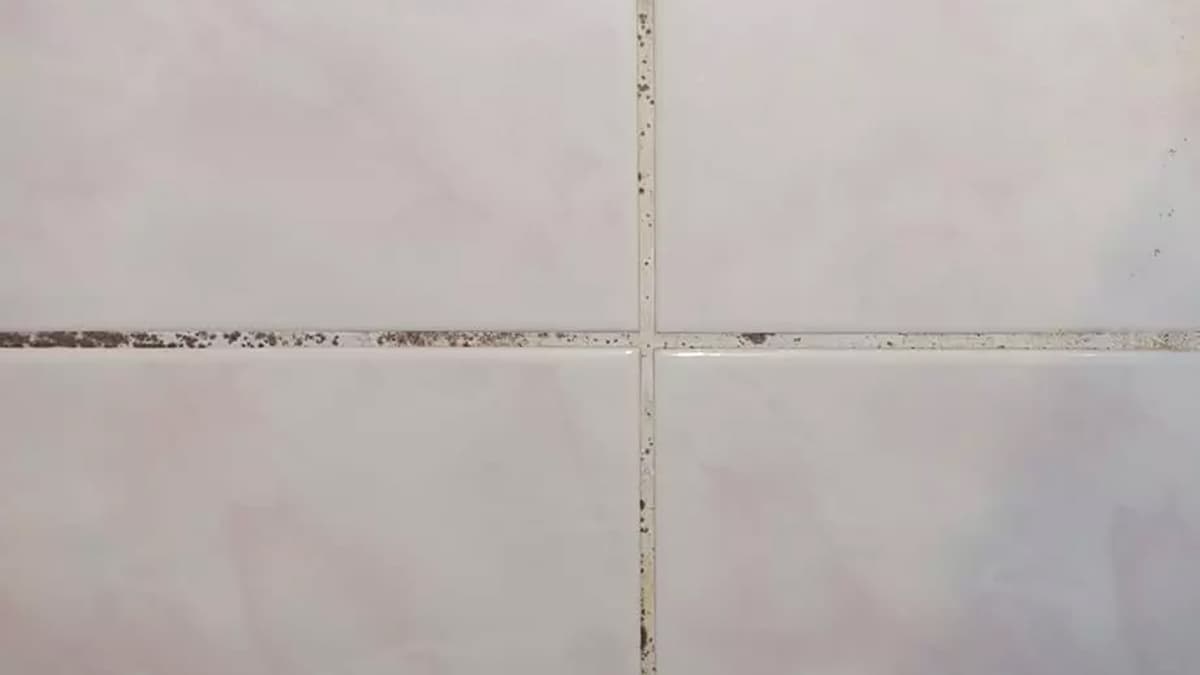
Limescale buildup on bathroom tile grout and taps is a familiar sight for everyone, but removing it isn't always straightforward. Limescale forms quickly, especially in areas where tap water is very hard. A small but regular effort toward limescale removal pays off, as limescale comes off most easily when removed promptly. You can also prevent limescale buildup with a bathroom nano coating. However, if severe limescale deposits have already formed, calling in a professional may be the best option.
Quick answer: how do you remove limescale in a bathroom?
Fresh limescale can often be removed with lemon juice, vinegar, or a store-bought limescale remover used according to the product instructions. Do not let acidic products dry into grout or natural stone, and call a professional if deposits are stubborn or the surface could be damaged.
The most effective weapon against limescale: regular cleaning
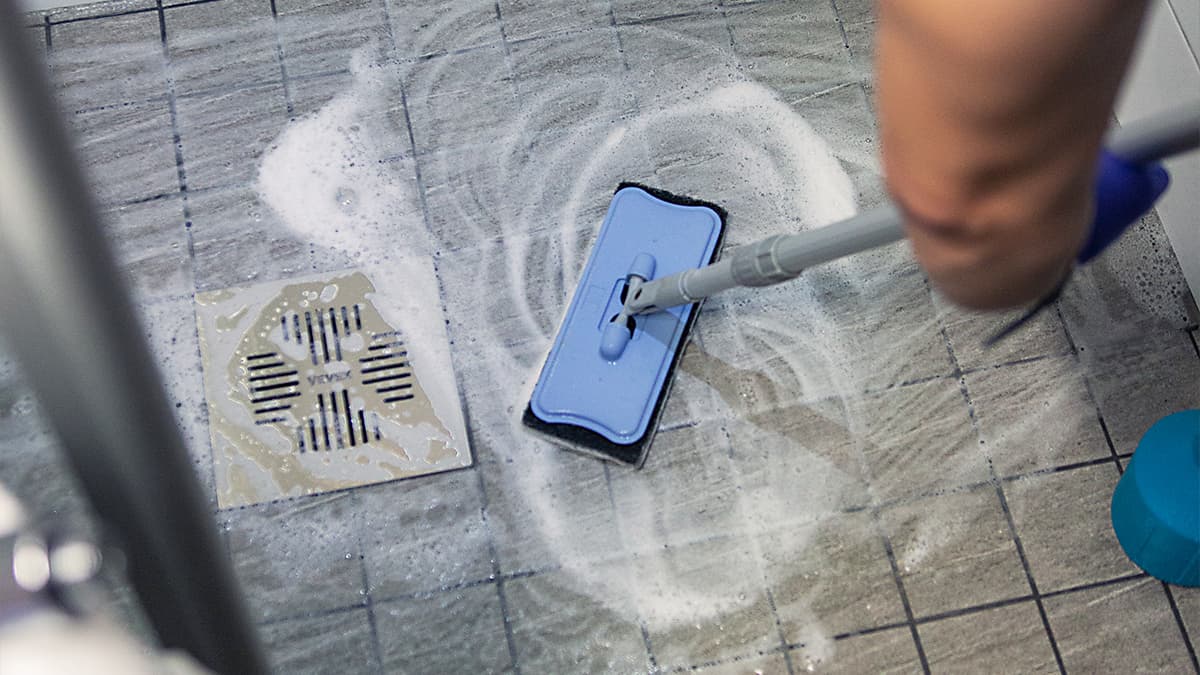
The easiest approach is to remove limescale from the bathroom every week or two. The appropriate cleaning interval depends on water hardness and how heavily the bathroom is used. Additionally, it's worth squeegeeing the floor after every shower. While regular squeegeeing can't completely prevent limescale, it significantly reduces how often you need to clean.
If you live in an area with very hard water, your bathroom can develop a solid layer of limescale in just a week. In such areas, weekly limescale cleaning is practically essential. Limescale filters are available for showerheads and taps. This investment is worth considering in areas with hard water.
Tile coating is worthwhile
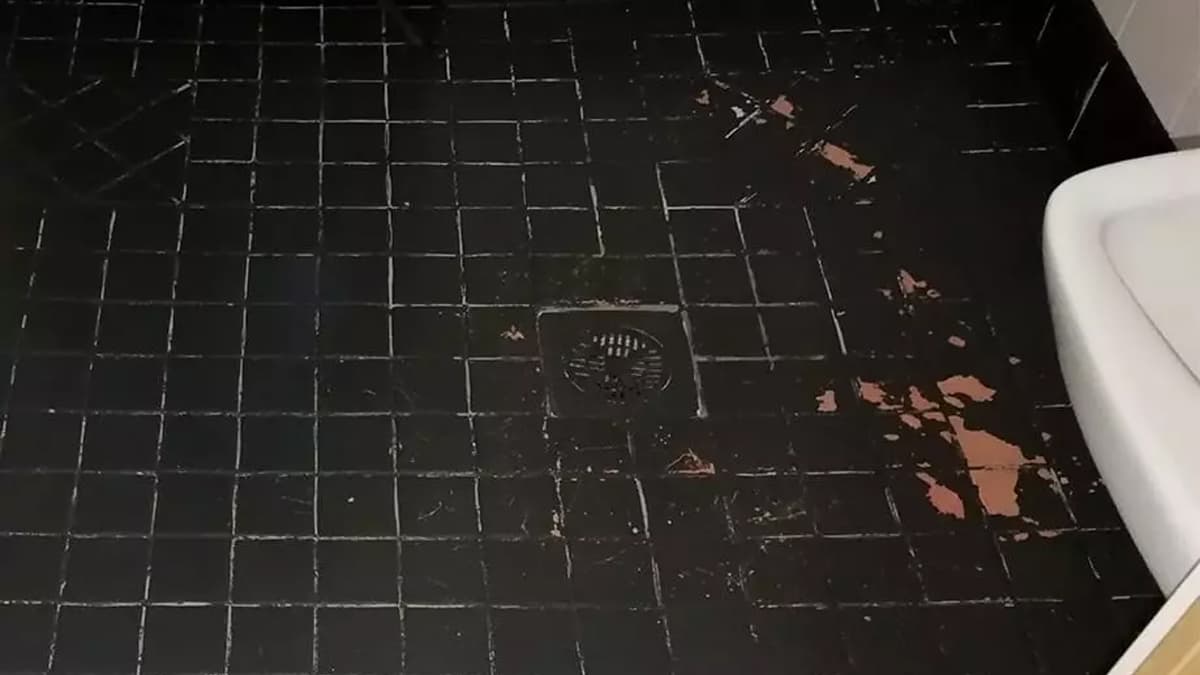
Limescale adheres much less readily to tiles with a nano coating. New bathrooms should always be nano-coated. This saves you time and effort on cleaning. If you've chosen dark tiles for your bathroom, nano coating is especially important: limescale shows up much more clearly on dark surfaces than on light ones.
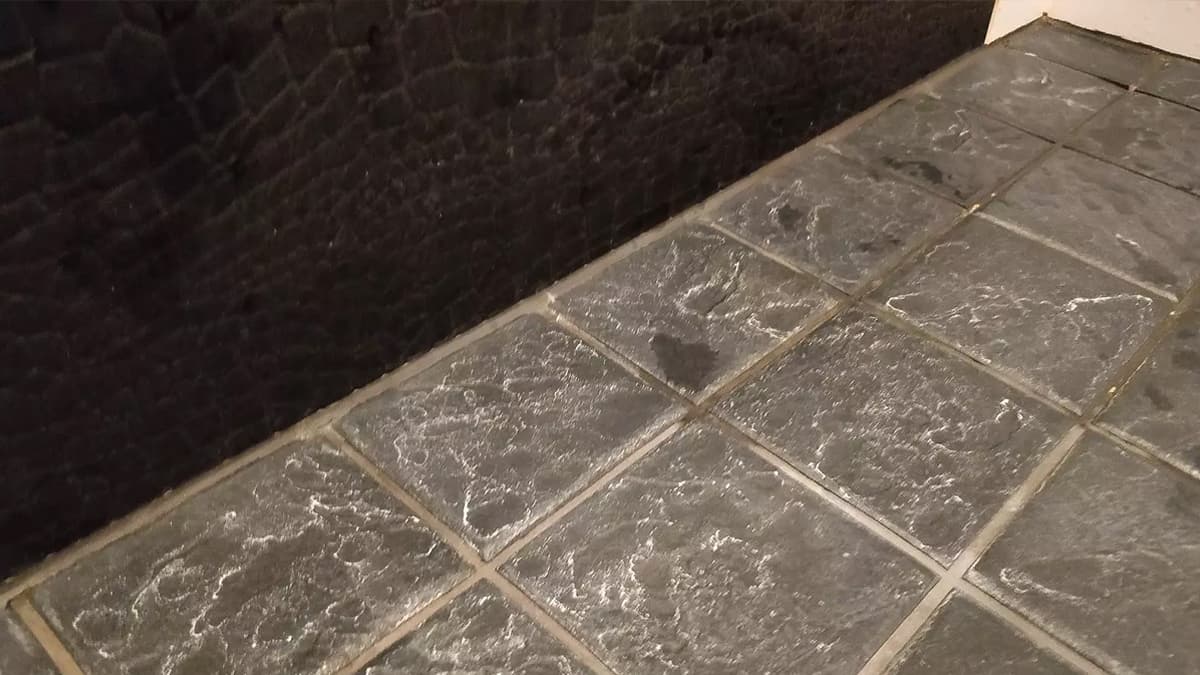
Matte tiles and natural stone tiles should also be coated. Natural stone tiles in particular practically absorb limescale if left uncoated, and removing deposits from them can in the worst case be impossible. Natural stone tiles should be coated immediately after installation and recoated as needed.
Limescale removal at home
Small limescale deposits can be removed with the right products. Try lemon juice or store-bought limescale removers. Vinegar also works if you can tolerate the smell.
Let the limescale remover sit for a while before scrubbing with a brush or sponge. Don't let the product dry on floors or walls. Drying is a sign that the product has soaked into the grout. The same applies to lemon juice and vinegar.
Even the toughest deposits come off with a professional
If home remedies don't work, all is not lost. A skilled company can remove stubborn limescale buildup and make your bathroom look much fresher. Professionals have experience, effective products, and the right tools to tackle difficult deposits.
When you call us in, we'll remove all limescale and other grime from your bathroom in one go. If needed, we can apply a nano coating at the same time. Learn more about our cleaning service!
Frequently asked questions about limescale removal
Can vinegar remove limescale?
Yes, vinegar can work on small limescale deposits, but it is acidic and should be used carefully. Do not let it dry into grout, natural stone, or other sensitive surfaces.
Can limescale remover damage tile grout?
Yes, if used incorrectly. Many limescale removers are strongly acidic, and if they soak into grout, the grout can begin to erode.
When should you call a professional for limescale removal?
Call a professional if limescale does not come off with safe home methods, if the surface is natural stone, or if you are unsure which product is suitable.